|

|
Our Mission Radiology Mammography International (RMI) is a non-profit organization dedicated to supporting the mammography and breast cancer education needs of developing and underserved regions all around the
world: providing technical assistance, equipment donations, hands on training, and community outreach.
Donation Information (Pdf) |
| |
Radiology Mammography International Projects
Colombia
April 2015
Mammography Training Project
Guatemala
August 2013
Guatemala Mammography Teaching Project
Vietnam
November 2010
Multidisciplinary Breast Cancer Conference
Kosova
August 2010
University Clinical Center of Kosova, Prishtina
Jordan
April 2010
Mammography Teaching Project to Amman, Jordan, Al Amal Maternity Hospital and Red Crescent Hospital
Macedonia
October 2009
Mammography Teaching Project Follow-up
Kenya
May 2009
Mammography Teaching Project to Nairobi
Kenyatta National Hospital
Nicaragua
March 2008
Nicaragua Follow-up Project
India
December 1989
M. P. Shah Cancer Hospital, Ahmedabad
Cuba
January 1998 and 2002
Instituto Nacional de Oncologia y Radiobiologia, Havana
Nepal
April 1994 and April 2005
Tribhuvan University Teaching Hospital, Kathmandu
BP Memorial Cancer Hospital, Chitwan
Israel
October 1998
The Nazareth Hospital, E.M.M.S., Nazareth
The West Bank
August 1995
Ramallah Hospital, Ramallah
Nicaragua
June 1999, February 2001 and 2003
University Hospital, (H.E.O.D.R.A), Leon Hospital for Women,
(Bertha Calderone), Managua
2005 and 2007 to Bluefields
Honduras
February 1996
Hospital Regional de Occidente, Santa Rosa de Copan
Vietnam
April 2000 and May 2002
The National Cancer Institute, Hanoi
Cho Ray Hospital, Ho Chi Minh City
Armenia
April 1997
Yerevan State Medical University, Yerevan
China
October 2006 to Beijing and Shanghai
August 2004 to Beijing and Jinan
September 2001
First Hospital of Beijing University
Tong Xian Women’s and Children’s Hospital |
|
|
|
“Breast Cancer is apolitical and
nonpartisan. It recognizes no cultural, ethnic or religious
boundaries. It respects nothing and nobody. It’s an equal
opportunity disease.”
–Dr. Richard Hirsh |
|
|
|
 |
|
Managua, Nicaragua 2005
Dr. Richard Hirsh and the First Lady,
Lila A. de Bolaños Geyer. |
|
 |
|
Managua, Nicaragua 2005
Dr. Richard Hirsh and Margarita Gurdian, the Minister of
Health. |
|
 |
|
Managua, Nicaragua 2005
Margarita Gurdian, the Minister of Health, the First Lady
of Nicaragua,
Lila A. de Bolaños Geyer
and Dr. Richard Hirsh. |
|
 |
|
Bluefields, Nicaragua 2005
The hospital where the mission was performed. |
|
 |
|
Bluefields, Nicaragua 2005
Dr. Richard Hirsh reviewing a mammogram with 2 of the
hospital's X-ray technicians. |
|
 |
|
Bluefields, Nicaragua 2005
Lecture by
Dr. Nick Bisconti, General Surgeon, Barberton Citizens
Hospital, Barberton, Ohio. |
|
 |
|
Bluefields, Nicaragua 2005
Dr. Richard Hirsh and Dr. Nick Bisconti with surgical and
gynecological staff. |
|
 |
|
Bluefields, Nicaragua 2005
Dr. Richard Hirsh demonstrates a preoperative wire needle
localization procedure. |
|
 |
|
Bluefields, Nicaragua 2005
Radiologists Dr. Magdalena Bello and Dr. Alda Cossi from
the Lahey Clinic, Boston, MA. |
|
 |
|
Bluefields, Nicaragua 2005
Robert Warner, Green Township, Ohio, installing the
mammography machine. |
|
 |
|
Bluefields, Nicaragua 2005
Interpreters : Peg Haas, Liz Scheiner and Maribel Sanchez
(below shown with driver).
 |
|
 |
|
Bluefields, Nicaragua 2005
Standard Transportation from the hotel to the hospital,
Ministry of Health pick-up truck. |
|
 |
|
|
Bluefields, Nicaragua 2005 |
|
 |
|
Bluefields, Nicaragua 2005
Views from our hotel while Hurricane Beta delivers a
storm. |
|
 |
|
 |
|
Bluefields, Nicaragua 2005
Pat Stewart, American mammographer from New York City
teaching quality assurance to the radiology staff |
|
 |
|
Bluefields, Nicaragua 2005
Farewell party, mammographers Patricia Stewart (left), R.T. and
Jennie Little (right), R.T. |
|
 |
|
Bluefields, Nicaragua 2005
Returning on a 12-passenger plane. |
|
 |
|
 |
|
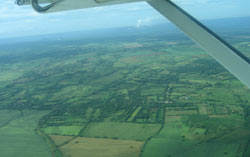
Bluefields, Nicaragua 2005
Aerial View. |
|
 |
|
Bluefields, Nicaragua 2005
Plume of an active volcano. |
|
 |
|
Managua, Nicaragua
February 2004
Members of the teaching faculty at the Breast Cancer
Conference in the office of the President of Nicaragua. |
|
 |
|
|
Beijing, China, August 2004
Reviewing mammograms at Tong Xian Women's and Children's
Hospital. |
|
 |
|
|
Beijing, China, August 2004
Dr. Hirsh reviewing mammograms with radiologist at Beijing
Cancer Hospital. |
|
 |
|
|
Jinan, China, August 2004
Leslie Ewen-Foster, R.T. training Chinese technologists,
Jinan Central Hospital. |
|
 |
|
|
Jinan, China, August 2004
Surgeon Dr. Nick Bisconti reviews mammograms at Jinan
Central Hospital. |
|
 |
|
|
Jinan, China, August 2004
Leslie Ewen-Foster, R.T. teaches how to position the
breast. |
|
 |
|
|
Sofia, Bulgaria, May 2004
National Oncological Center Hospital
Dr. Richard Hirsh performing a pre-operative wire needle
localization procedure. |
|
 |
|
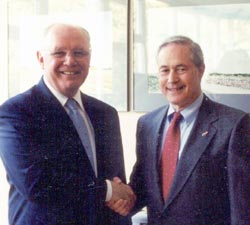
Sofia, Bulgaria, May 2004
U.S. Ambassador James Pardew and Dr. Richard Hirsh. |
|
 |
|
Sofia, Bulgaria, May 2004
U.S. Ambassador James Pardew, Dr. Richard Hirsh and the
mammography teaching team. |
|
 |
|
|
Havana, Cuba, February 2002
Dr. Alda Cossi from Lahey Clinic, Boston, performing an
ultrasound guided breat biopsy. |
|
|
| Projects

Mammography Project
Bluefields, Nicaragua
May 21 - 29, 2016
Radiology Mammography International completed a breast imaging training project to Bluefields, Nicaragua this past May. This trip was a follow-up to the recent donation and installation several months ago of a new Hologic M IV mammography machine, which replaced the recipient hospital's donated 12 year old unit, which finally stopped working. In addition to fine tuning the hospital's film processor and calibrating the new mammography machine, this one week project provided advanced individual hands-on training in breast imaging to the hospital's female X-ray technologists and radiologists. Our training included breast positioning for screening and diagnostic mammograms, enhanced film interpretation skills, preoperative needle localizations, and ultrasound guided biopsy procedures. And daily academic lectures in the fields of Breast Cancer and Breast Imaging were presented to the general medical staff and to medical students.
This mission was the fourth training visit to Bluefields over a twelve year period. This clinical site on the Caribbean coast of Nicaragua represents one of the most successful, enduring, and sustainable missions in RMI's twenty six years of teaching experience in developing countries.
For this, we recognize the dedication, persistence, and passion demonstrated by the hospital administrators, radiologists and general medical and nursing staff.
Members of our volunteer team of professionals were from the United States, Canada, and El Salvador. Several of us had taught in Bluefields on prior missions. The team included diagnostic radiologists Gale Sisney, M.D., Jean Seely, M.D., and Richard Hirsh, M.D., mammography technologists Linda Corrion, R.T., Janice Guntner, R.T., and Sandra Hanawalt, R.T., engineer John Stanley, and interpreters Emily Loeffler, Andrea Molina, and Jacob Youst.
Once again, as in all of RMI's mission projects, we welcomed this opportunity to share our experience, our expertise and our passion to help save lives and to make a difference for the underserved.
Thank you,
Richard N. Hirsh, M.D., FACR
President and Founder
Radiology Mammography International
Akron, Ohio
.jpg) |
| Mammographers Sandra Hanawalt, left, Linda Corrion, center, and Janice Guntner, right, with the Bluefields Hospital's technologists. |
.jpg) |
Dr. Richard Hirsh and interpreter, Jake Youst. |
.jpg) |
| Dr. Jean Seely and Dra. Magdalena Bello, head radiologist, performing breast ultrasound. |
 |
| Linda Corrion R.T.RM reviewing Quality Control with the head technologist. |
.jpg) |
| Dr. Gale Sisney (left) and mammography technologist, Sandra Hanawalt (right) discussing positioning protocol with hospital technologists. |
 |
John Stanley, engineer, calibrating the new donated mammography machine at Bluefields Hospital. |
 |
Dr. Jean Seely teaching Ultrasound guided breast biopsy technique using a turkey breast. Bluefields, Nicaragua, May 2016. |
 |
| Dr. Gale Sisney, left, and Janice Guntner, R.T.RM right, positioning a patient. |
.jpg) |
Interpreter Jake Youst speaking to patients waiting for their mammograms. |
.jpg) |
Our ride from Bluefields, Nicaragua airport to hotel. May 2016. |
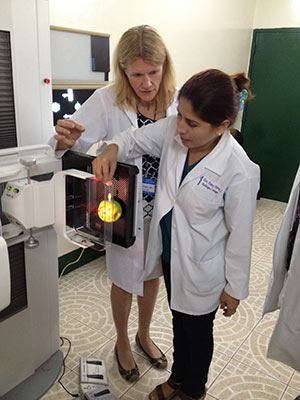 |
| Placing the needle using an apple. |
 |
| Dr. Jean Seely with interpreter Andrea Molina and mammographer Linda Corrion, discussing Preoperative Needle Localization procedure, training with an apple. |
 |
Dr. Richard Hirsh (right) with Bluefields surgeon Dr. Ulysses CiFuentes. |
|
Mammography Training Project
Cali, Colombia
April 18 - 25, 2015
From April 18 - 25, 2015, Radiology Mammography International completed another breast cancer training project, this time to the city of Cali, Colombia. We were invited by and partnered with a Baltimore based humanitarian organization called Partners for Cancer Care and Prevention. This organization was founded by Dr. Armando Sardi, a cancer surgeon who was born and raised in Cali. After earning his medical degree there, he came to the United States for his surgical residency and subspecialty training in Surgical Oncology.
During this project, our volunteer teaching team provided hands on training and consultation at three clinical sites, all of whom had recently upgraded their mammography equipment to full field digital. The three local institutions were: Hospital Universitario del Valle, Hospital Canaveralejo, and (IPS) La Rivera.
Our three mammography technologists, Linda Corrion, Tracey Erb, and Sandra Hanawalt, observed and instructed in the mammography suites during the regularly scheduled imaging of patients. Radiologists Dr. Gale Sisney and Dr. Richard Hirsh did image and case review with radiology faculty and residents. Formal lectures were presented by Dr. Sisney. Our interpreters were Rebecca Woodward and Emily Loeffler. Our team field service engineer was Michael Lynde. Kent State University nursing student, Lauren Lynde, assisted in patient throughput in one of the local breast clinics. All elements of this project were expertly organized and coordinated by Mavalynne Orozco, the representative officer of Partners for Cancer Care and Prevention, to whom we are most grateful.
Our humanitarian experience was extremely fulfilling. We were warmly welcomed by the Colombian medical personnel and patients with whom we interacted. This was certainly another memorable adventure for our volunteer medical team.
Thank you,
Richard N. Hirsh, M.D., FACR
President and Founder
Radiology Mammography International
Akron, Ohio
|
Radiology Mammography International
Guatemala Mammography Teaching Project
August 17 - 31, 2013
Radiology Mammography International (RMI) completed its most recent Mammography Teaching Project to Guatemala from August 17 - 31, 2013. We partnered with a non profit organization based in Baltimore, Maryland, called The Healing Hands Foundation, who has been organizing medical/dental missions to Guatemala for many years. A site assessment evaluation visit to the region was performed in December 2012 for the purpose of selecting qualified appropriate clinical sites to receive donated mammography equipment and training.
This mission project included two donated factory refurbished Hologic M IV mammography machines, which were installed at two clinical sites, one at Hospital Roosevelt in Guatemala City and the other at the Women's Breast and Cervical/Uterine Cancer Screening Center in the Municipality of Villa Nueva, a suburb of Guatemala City. Donated mammography cassettes and accessories, quality control test instruments, and biopsy needles and hook wires were provided to all of the clinical sites. RMI's volunteer team provided personalized hands on training to female X-ray technologists and diagnostic radiologists in the proper use of this new equipment. Also, a third clinical site, Hospital San Juan de Dios, which already had relatively modern mammography equipment and a radiology residency program, received enhanced breast imaging training in mammography and breast ultrasound. In addition, a major emphasis of this Guatemala project included an extensive Women's Health Education Program, which provided community outreach to the general lay public including high schools students, as well as focused lectures to health care professionals. Educational hand out literature was available during the various presentations.
Our remarkable and caring volunteer team of professionals, most of whom had served on prior RMI projects, included six mammography technologists, three diagnostic radiologists, a field service engineer, and two women's health educators. Our volunteer mammography technologists included Linda Corrion, Tracey Erb, Janice Guntner, Sandra Hanawalt, Jennie Little, and Wendy Marshall. Our three radiologists included Dr. Bonna Rogers-Neufeld, Dr. Gale Sisney, and Dr. Richard Hirsh. Our engineer was Michael Lynde. And our women's health educators were Kathy Mueller and Terri Bogan. Our in country organizer and Healing Hands Foundation representative was Ingrid Kretzschmar, without whose tremendous efforts and dedication and persistence, this mission would not have taken place.
Our non profit organization reaches out to breast imaging equipment manufacturers for donations and technical support during the initial phases of each mission project. Hologic in Danbury, Connecticut, remains our greatest supporter for our many projects to underserved regions around the world. And as part of Hologic's wonderful donation for this mission to Guatemala, their regional dealer, Medimax-RSI, based in Puerto Rico, generously provided engineers to do the installation and calibration of the two donated mammography machines at no cost/charge to the recipient clinical sites. This collective generosity and devotion to serving the developing world truly reflects the nature of so many individuals who worked together to bring this wonderful humanitarian team effort to fruition.
Thank you,
Richard N. Hirsh, M.D., FACR
President and Founder
Radiology Mammography International
Akron, Ohio
|
Multidisciplinary Breast Cancer
Conference
National Cancer Institute
Hanoi, Vietnam
November 2 – 5, 2010
Radiology Mammography International recently
completed a Breast Cancer Conference at the National
Cancer Institute in Hanoi. This conference took
place at the same hospital where RMI provided a
mammography teaching project in 2000 and a follow up
mission in 2002. During the 2000 project we provided
donated mammography machines and hands on training
of technologists and radiologists to hospitals in
Hanoi as well as in Ho Chi Minh City (formally
Saigon).
Our conference provided formal lectures in multiple
disciplines involved in the diagnosis and treatment
of breast cancer. These included diagnostic
radiology, general surgery, plastic (reconstructive)
surgery, radiation therapy/oncology, medical
oncology, and palliative care. In addition we did
case reviews and patient consultations as part of
our teaching efforts.
Our teaching faculty, all of whom were volunteers,
included: Nick Bisconti, M.D., surgeon, Nick Papas,
M.D., plastic surgeon, Steven Radwany, M.D.,
palliative care, Sandra Hazra, M.D., medical
oncologist, Mitchel Fromm, M.D., radiation
therapist, Alda Cossi, M.D., Helen Shi, M.D., and
Richard Hirsh, M.D., diagnostic radiologists.
Overall, the conference was a wonderful success.
Much useful and applicable information was provided.
And the number and quality of the questions from the
Vietnamese reflected their involvement and caring.
Thank you,
Richard N. Hirsh, M.D.
|
Kosova Mammography Teaching Project
University Clinical Center of Kosova, Prishtina
Regional Hospital, Peja
August 28 – September 11, 2010
From August 28 – September 11, 2010, Radiology Mammography International organized a Mammography Teaching Project to Kosova. This project provided two donated Hologic M IV mammography machines plus Maxant mammography viewers and X-rite quality control instruments and Kodak mammography film and cassettes for two recipient hospitals in Prishtina and in Peja. Hands on training was provided to female X-ray technologists and to radiologists at both clinical sites. This donated equipment replaced older mammography machines.
This project was coordinated by breast surgeon, Dr. Elvis Ahmedi, who worked diligently with local officials and doctors in both cities as well as Dr. Bujar Bukoshi, the Minister of Health of Kosova. Our teaching team included radiologists and mammography technologists plus a surgeon and a palliative care physician. Our team also included two women's health educators who travelled around the country giving talks to women's groups and to primary care physicians about breast cancer and other topics of women's health. Several hundred mammograms were performed, and at least six suspicious lesions were identified resulting in surgical procedures.
The volunteer medical team included: radiologists Dr. Richard Hirsh, Dr. Karen Lindfors, and Dr. Cheryl Schwalm, surgeon Dr. Dean Mayors, palliative care physician Dr. Robert Taylor, mammography technologists Tracey Erb, R.T., Jennie Little, R.T., Trudy Crabtree, R.T., and Sandra Hanawalt, R.T., Carolyn Keegan, R.T., and Lesley Ewen-Foster, R.T., engineer Mike Lynde, and women's health educators Kathy Mueller, R.N. and Kathy Pardew, and administrative assistant Hilary Taylor.
I consider this project a strong success in that it established good breast imaging techniques and provided widespread community outreach throughout the country. It is my expectation that RMI will return to Kosova in about one year to do a follow up mission to bring the trained radiology staff up to a new level of expertise building upon their experience.
Thank you,
Richard N. Hirsh, M.D.
September 14, 2010
|
MAMMOGRAPHY TEACHING PROJECT TO AMMAN, JORDAN, AL AMAL MATERNITY HOSPITAL and RED CRESCENT HOSPITAL
APRIL 26 - MAY 7, 2010
From April 26 - May 7, 2010 Radiology
Mammography International conducted an intensive
breast imaging training program for Jordanian
mammography technologists and diagnostic
radiologists. We worked in partnership with the non
profit organization, the Jordan Breast Cancer
Program based in Amman. All of our trainees were
hand picked for their high levels of enthusiasm and
their desire to learn how to perform mammography and
breast ultrasound at the highest performance levels.
All had previous experience. But our job was to add
additional expertise to their individual skills, so
that these trainees would be prepared and feel
comfortable training other mammography specialists.
We referred to this
training program as, "Train the Trainers" or "Teach
the Teachers".
This two week project offered didactic lectures and
hands on mammography training first with models and
then with patients. Individual instruction and
guidance was provided to about twelve Jordanian
mammography technologists. For the approximate ten
radiologists there were daily film reviews and
ultrasound guided breast biopsy training. In
addition, our volunteer team field engineer visited
multiple mammography sites at several nearby
hospitals critiquing the mammography equipment with
the assistance of Jordanian engineers and radiation
physicists.
The volunteer team members included radiologists Dr.
Richard Hirsh, Dr.
Michael Linver, Dr. Heather MacNaughton, mammography
technologists Louise Miller, Linda Corrion, Susan
Cross, Janice Guntner, Laura Hatfield, and
field engineer John Stanley.
The project goals were accomplished: Advanced hands
on training was provided to Jordanian mammography
technologists and diagnostic radiologists. It is our
hope to return to Jordan to provide follow up
training in breast imaging.
Thank you,
Richard N. Hirsh, M.D., FACR
President, Radiology Mammography International
Akron, Ohio
May 2010
|
Mammography Teaching Project
Follow-up, Macedonia
October 10 – 24, 2009
From October 10 – 24, 2009,
Radiology Mammography International coordinated the
second Mammography Teaching Project to Macedonia.
This project was a follow up to the 2007 Mission to
the General Hospital in Strumica. The 2007 mission
brought a new donated Hologic/Lorad M IV mammography
machine plus quality control instruments and
mammography x-ray film and cassettes. Training was
provided to female X-ray technologists and to
diagnostic radiologists.
This recent project focused on observation at the
original site and providing more advanced training
for those same technologists and radiologists. RMI
also had two additional teams, one offering focused
training in breast imaging at the Radiology
Institute in Skopje, and the other, a “mobile” team,
which traveled around the country providing
consultation in improving mammography
service/quality at many regional hospitals. All
sites visited were by invitation from the individual
local hospital radiologists and administrators.
Community Outreach/Education was taken to multiple
cities around the country. This project was
coordinated by the Boris Trajkovski International
Foundation in Skopje.
At the primary site in Strumica, the overall quality
of the mammograms was excellent. Not only were they
performing outstanding images (including proper film
techniques and breast positioning), but they were
also actively training technologists and
radiologists from other hospitals. Our former pupils
had now become the “new” teachers. Remember that,
“If you give a man a fish, he eats for a day. But if
you teach a man how to fish, he eats for a
lifetime”.
The volunteer medical team included: radiologists
Dr. Richard Hirsh, Dr. Nancy Wadden, Dr. Karen
Lindfors, and Dr. Cheryl Schwalm, mammography
technologists Linda Corrion, R.T., Jennie Little,
R.T., Tracey Erb, R.T., and Josephine Raimondi, R.T.,
engineer John Stanley, and women’s health educators
Kathy Mueller and Kathy Pardew.
I consider this follow up project a definite success
in that it reinforced good breast imaging
techniques. But more importantly this mission
observed the establishment of a local independent
site now providing quality training in breast
imaging.
Thank you,
Richard N. Hirsh, M.D.
President
Radiology Mammography International
October 26, 2009
|
Mammography Teaching Project to Nairobi, Kenya
Kenyatta National Hospital
May 2 - 17, 2009
From May 2 - 17, 2009 Radiology Mammography International conducted a mammography teaching project to the Kenyatta National Hospital in Nairobi, Kenya. This project included the donation of a Hologic/Lorad M IV mammography machine. This quality equipment was installed by Vertec Scientific SA out of South Africa, who is a regional representative of Hologic. Vertec generously provided this service as a donation. The Kenyatta National Hospital is a major teaching hospital which has a radiology residency training program. The timing of this donation followed and replaced the hospital's prior very old mammography machine, which just one month before our arrival had stopped functioning "for the last time".
The new mammography machine was installed and calibrated. During the next two weeks we trained four of the hospital's female X-ray technologists in the proper use of this new equipment. Our training also included Quality Control techniques. Appropriate QC test instruments were also donated for this purpose. The RMI volunteer team included three diagnostic radiologists, one surgeon, four mammography technologists, one engineer, and two women's health educators. Close to one hundred mammograms were performed. Training in ultrasound guided biopsy procedures was provided to the hospital's radiologists. We provided numerous lectures to the radiology and surgery staff focusing on breast disease. Our surgeon participated in numerous surgical operations
as part of our teaching/training process. Women's Health talks focusing
on breast disease were provided in remote villages and outlying towns and cities during the two week mission.
The team members included, Dr. Richard Hirsh, Dr. Alda Cossi, and Dr.
Heather MacNaughton, radiologists, Dr. Nick Bisconti, surgeon, Jacquie Barber, Janice Guntner, Linda Lindeman, and Anita Lee, mammography technologists, John Gallagher, engineer, and Kathy Mueller and Flo Higgins, women's health educators.
The mission goals were successfully completed: Quality donated equipment
was installed and the radiology and surgery staff were trained. Women's
health education focusing on breast disease was provided. The Kenyatta National Hospital's radiologists will keep me advised as to the ongoing use of this new equipment including the numbers of newly diagnosed cases of breast cancer. It is my hope to return in about two years to do a follow up Mammography Teaching Mission to Kenya.
Thank you,
Richard N. Hirsh, M.D.
President
Radiology Mammography International
May, 2009
|
Mammography Teaching Project To
Jinotepe, Nicaragua
October 25 - November 9, 2008
Radiology Mammography International
recently completed a successful teaching project to the
Regional Hospital Santiago in Jinotepe, Nicaragua, about a
one hour and twenty minute drive south from Managua.
This entirely new mission delivered
quality donated equipment including a Hologic/Lorad M IV
mammography machine as well as Maxant Technologies
mammoviewers. Also donated were quality assurance
instruments and mammography X-ray film and cassettes as well
as biopsy instruments and localization hook wires/needles.
The local radiology staff was trained in the proper
performance of mammography and in film interpretation. Our
American team trained a total of four female Nicaraguan
X-ray technologists plus the hospital's diagnostic
radiologist. We taught
mammography including preoperative wire needle localizations
as well as ultrasound guided breast biopsy techniques. The
local staff was extremely focused on learning these new
modalities.
Our volunteer medical team included three radiologists; Dr.
Bonna Rogers-Neufeld, Dr. Cheryl Schwalm, and Dr. Richard
Hirsh. Our three mammographers were Janice Guntner, Linda
Corrion, and Maria Fabrega. The teams Spanish language
interpreters were Maribel Sanchez, Kelly Washbourne, Camelly
Cruz Martes, Chris Mellinger, and Betsy Pierce. Our two
engineers who did the installation and calibration of the
mammography machine were Gary Harris and John Stanley.
Several of these wonderful volunteers have served on
previous missions. For some, it was their first project with
RMI.
The seed has been planted and watered. The tools have been
provided and the basic training has been completed. The
spirit of the project has been passed to our Nicaraguan
colleagues. We will plan on a follow up visit in about two
years to evaluate their progress and to add new techniques
to their skills. We all consider this mission to represent
the focus of our commitment to serve and to make a
difference.
Thank you,
Richard N. Hirsh, M.D.
President
Radiology Mammography International
November 10, 2008
|
Radiology Mammography International
Mammography Teaching Project To Bluefields, Nicaragua
March 1 – 16, 2008
From March 1 – 16, 2008, Radiology
Mammography International coordinated the third Mammography
Teaching Project to Bluefields, Nicaragua. This project was
a follow up to the 2005 and 2007 Missions to the Regional
Hospital in the Southern Autonomous Region on the Caribbean
Coast of Nicaragua. The 2005 mission brought a new donated
Affinity Model Hologic/Lorad mammography machine and a
Hologic/Aloka ultrasound machine plus quality control
instruments and mammography x-ray film. Training was
provided to female X-ray technologists and to diagnostic
radiologist, Dr. Magdalena Bello.
This recent project was preceded by a two month regional
breast cancer screening of over 600 women, compared to last
year’s mission which included 400 screening mammograms. This
was an enormous accomplishment, considering that practically
all the women had to travel great distances for many hours
by open boat to the city of Bluefields. There are no roads
on the Caribbean coast.
The volunteer medical team consisted of two diagnostic
radiologists, one surgeon, three radiological technologists,
one field service engineer, and four interpreters. In
addition to interpreting hundreds of mammograms and
diagnostic breast ultrasounds, we performed numerous
ultrasound guided biopsies and open surgical biopsies. All
of these procedures were performed with our Nicaraguan
colleagues, thus strengthening the hands on teaching
approach employed during all of RMI’s missions.
The team members included: Dr. Richard Hirsh and Dr. Michael
Linver, radiologists, Dr. Nick Bisconti, surgeon, Linda
Lindeman, Janice Guntner and Lesley Ewen Foster, mammography
technologists, Robert Warner, engineer, and Peg Haas,
Rebecca Woodward, Andrea Loomis and Coert Ambrosino,
interpreters.
I consider this follow up project a definite success as it
reinforced good breast imaging technique and surgical skills
with our Nicaraguan radiological and surgical colleagues.
But mostly this mission has stimulated an ongoing commitment
from the hospital and from the Ministry of Health to offer
breast cancer mammography screening for all the women of the
region.
Thank you,
Richard N. Hirsh, M.D.
March 17, 2008
|
Radiology Mammography International
Macedonia Mammography Teaching Project
Sept. 22 - October 6, 2007
RMI recently completed a very successful
two week teaching project to Strumica, Macedonia in the
south east corner of this beautiful country, close to the
borders of Bulgaria and Greece. This mission partnered with
the Boris Trajkovski International Foundation headquartered
in Skopje. A factory refurbished Hologic/Lorad M IV Platinum
mammography machine was donated and shipped prior to the
mission. The recipient hospital was the
General Hospital of Strumica. Two radiologists and four
female X-ray technologists were trained in the use of this
equipment and in mammographic interpretation. Also included
in the equipment donations were Maxant mammography viewers
and X-rite quality assurance test instruments, as well as
Cook needle localization hook wires. Kodak Europe donated a
start up supply of mammography film and twelve new
cassettes. And the local Kodak dealer donated a new film
processor dedicated to mammography. The city of Strumica
donated a new ultrasound machine dedicated to breast
imaging.
Our volunteer medical team included mammography
technologists Jennie Little, Tracey Erb, and Jacquie Barber.
Our engineer was Gary Harris. Our radiologists were Dr.
Richard Hirsh and Dr. Nancy Wadden from Newfoundland,
Canada. Our interpreters were Sonja May and Ana Karovska
(a recent medical school graduate from Skopje).
In addition to mammography, ultrasound was also emphasized
as an integral part of breast imaging. Diagnosis of breast
lesions and biopsy and
aspiration techniques were taught. Ultrasound core biopsies
were performed by Dr. Wadden on one patient with bilateral
breast masses. This was the first know use of ultrasound for
biopsies in Macedonia. We also performed the first wire
needle localization for suspicious non palpable
microcalcifications.
Our mission included an extensive
Community Outreach Program for public awareness about breast
cancer and other women's health topics. This program was
organized by the Boris Trajkovski International Foundation.
More than 850 women were addressed and lectured to during
our two week mission. Kathleen Mueller and Kathy Pardew
presented these in depth talks which always included
questions and answers.
Follow up will include e-mail communications which will
address total numbers of mammograms performed and subsequent
suspicious non palpable
lesions detected and then biopsied. We hope to return to
Macedonia within two years to observe and to offer
additional more advanced levels of training.
Thank you,
Richard N. Hirsh, M.D., FACR
President
Radiology Mammography International
Akron, Ohio
11, October 2007
|
Radiology Mammography International
Serbia Mammography Teaching Project
May 26 - June 9, 2007
RMI completed a successful teaching
project to Belgrade, Serbia with the guidance and assistance
of The Princess Katherine Foundation. A factory refurbished
Hologic/ Lorad M IV mammography machine was donated and
shipped to Belgrade prior to the mission. The recipient
hospital was the University Medical Center Bezanijska Kosa.
Two radiologists and three female X-ray technologists were
trained in the use of this equipment and in mammography
interpretation. Also included in the equipment donation were
Maxant mammography viewers and X-rite quality assurance test
instruments as well as needle localization hook wires and
core biopsy devices from Cook and a start up supply of
mammography film and 12 new mammography cassettes from
Kodak. Our volunteer American mammography technologists
included Linda Corrion and Janice Guntner and Rita Cox.
Our engineer was Robert Warner.
The Princess Katherine Foundation was instrumental in the
organization of the entire mission including the Community
Outreach Program to many community organizations in and away
from Belgrade. We found this to be an integral part of our
mission. And this was extremely popular with the Serbian
groups who were addressed on a variety of women's health
topics, not just breast cancer. Kathy Mueller and Kathy
Pardew organized and presented these talks.
Ultrasound breast imaging including guided biopsies was
taught by team radiologist Dr. Heather MacNaughton from
Vancouver, British Columbia, Canada. Two patients received
ultrasound guided core biopsies with hands on participation
by the Serbian radiologist, Dr. Magdalena Stefanovic.
These were the first procedures of this type performed in
Serbia. We also performed the first wire needle localization
procedure for a cluster of suspicious non palpable micro
calcifications seen on a screening mammogram done during our
first week in country.
Our best friends and strongest supporters during the entire
mission were His Royal Highness Prince Alexander and
Princess Katherine. We met with them several times during
the project at the hospital and at their residence.
Follow up will be in the form of e-mail communications and
will address total numbers of mammograms performed and
subsequent suspicious non palpable lesions detected and then
biopsied. It is our hope to return to Belgrade within two
years to observe the level of skills that our trainees will
have attained.
Thank you,
Richard N. Hirsh, M.D., FACR
Radiology Mammography International
29 June 2007 |
Radiology Mammography International
Mammography Teaching Project to Nicaragua, February 24 -
March 4, 2007
Follow up mission to Bluefields.
In October 2005, Radiology Mammography
International organized a successful teaching project to the
town of Bluefields, Nicaragua on the Caribbean coast. A
donated Hologic/Lorad mammography machine and an Hologic/Aloka
ultrasound machine were donated and installed. Also donated
were Maxant mammography view boxes and X-rite quality
assurance test equipment. AGFA mammography cassettes and a
start up supply of X-ray film was donated as well. The
radiology staff of the Regional Ministry of Health Hospital
was trained in the skilled use of this equipment.
This 2007 follow up two week mission focused on breast
cancer screening and an in-depth Breast Clinic. The
volunteer team included two radiologists, one surgeon, two
mammography technologists, one engineer, and four
interpreters. The screening program was initiated by the
hospital with full support from the Ministry of Health. Over
a period of approximately two months prior to our arrival in
country, all of the towns and villages of the region (over
150,000 population with 80% indigenous peoples) were invited
to participate in the screening program.
Many hundreds of women traveled great
distances and at great inconvenience to Bluefields for their
screening mammogram. There are no roads along the Caribbean
coast. Therefore, the principal means of travel for these
women was by boat, averaging five hours one way. One patient
told me that she had to ride horseback for over four hours
from her village down to the sea in order to then take a
seven hour boat ride to Bluefields. There were many similar
stories of personal hardship, each one touching us deeply.
The Breast Clinic was supervised by volunteer surgeon, Dr.
Nick Bisconti, from Akron, Ohio. Many of our screening
patients seen during the first week were subsequently
examined during the second week by the surgical team which
also included two of the hospital's surgical staff.
Mammography and ultrasound breast imaging was provided.
Volunteer radiologist, Dr. Alda Cossi, from Boston, along
with the hospital's radiologist, performed many ultrasound
guided breast biopsies and aspirations. In addition, we
performed four preoperative wire needle localizations. A
total of eight open surgical biopsies were performed.
All biopsy specimens were flown by commercial flights to
Managua with results being faxed back to us within two days.
RMI, working in conjunction with the Ministry of Health
Hospital, effectively brought quality screening mammography
to the underserved population of the Caribbean coast of
Nicaragua. The numbers of patients were small for the size
of the population. However, this experience allowed us to
learn and recommend better and more effective ways of
coordinating all of our efforts including community
outreach. We are already discussing offering another Breast
Clinic for next year. The hospital administration and the
surgical and radiology staff have agreed enthusiastically.
Our goal will be to reach out to many more women in
2008 and hopefully in the years beyond.
Richard N. Hirsh, M.D., FACR
President
Radiology Mammography International
Akron, Ohio |
Radiology Mammography International
China Breast Cancer Conference, Oct. 14 - Oct. 15, 2006
On October 14 and 15, 2006, RMI conducted an
international Multidisciplinary Breast Cancer Conference
in cooperation with The Peking University. The
conference took place at the Tianlun Dynasty Hotel in
Beijing, China. Over three hundred Chinese doctors
attended the conference. Following the two day
conference, several of the volunteer physicians visited
and consulted at two area hospitals, First Teaching
Hospital of Peking University and Tong Xian Women and
Children Hospital. Several days later on October 19th
six of our group presented a Breast Cancer Symposium in
Shanghai at the Ruijin Hospital, School of Medicine of
Shanghai Jiao Tong University.
The overall purpose of this conference was to share
current information about breast cancer and to
demonstrate to our Chinese colleagues the
multidisciplinary approach to cancer diagnosis and
treatment that is utilized in the West. Typically in
China, breast cancer is treated almost entirely by the
surgeon, including the administration of chemotherapy.
We wanted to show how the western approach to breast
cancer, in our experience, favorably impacted the
overall outcome for our patients. We specifically
emphasized the importance and effectiveness of
communication and discussion between the different
medical and surgical disciplines.
Eleven American and Canadian physicians and surgeons
participated in this conference. Each volunteered their
time and were responsible for their own travel and hotel
expenses. The list included Dr. Nick Bisconti, surgeon,
Dr. Bonna Rogers-Neufeld, radiologist, Dr. Steve Parker,
radiologist, Dr. Nathalie Duchesne, radiologist, Dr.
Sandra Hazra, medical oncologist, Dr. Joyce McCaffrey,
medical oncologist, Dr. Dean Mayors, surgeon, Dr.
Mitchel Fromm, radiation therapist, Dr. Nick Papas,
plastic surgeon, Dr. Helen Shi, radiologist, and Dr.
Richard Hirsh, radiologist. Chinese doctors shared the
speaker's podium giving lectures in Chinese and in
English. Dual screens projected all of our lectures in
both languages simultaneously.
RMI has been to China many times, most recently
conducting a follow up Mammography Teaching Project in
August 2004. Previous visits included Dr. Richard
Hirsh's initial site evaluation assessment trip in 1999,
followed by the Mammography Mission in September 2001,
which included the donation of two mammography machines
along with extensive medical and technical staff
training and community outreach women's health
education. Our being invited back to China to conduct
this 2006 Breast Cancer Conference was a natural
continuation of our mutual friendship and respect. Much
of the inspiration for this conference has been from Dr.
Xu Yuxiu, Professor of Surgery at Peking University.
This Peking University and Radiology Mammography
International collaborative was the first international
Chinese conference focusing on Breast Cancer.
Previous international RMI breast cancer conferences
include Havana, Cuba in 2003 and Managua, Nicaragua in
2004.
Richard N. Hirsh, M.D, FACR
President
Radiology Mammography International
Akron, Ohio
December 2006 |
Radiology Mammography International
Nicaragua Mammography Teaching Mission, Oct. 23 - Nov.
5, 2005
Radiology Mammography International completed a
successful mammography teaching project to Bluefields,
Nicaragua. Bluefields, which is located on the Caribbean
coast of Nicaragua in the Southern Autonomous Zone, is
separated from the main population on the Pacific coast
by mountains and jungles/forests. This region, with a
population of almost 200,000, is served by one Ministry
of Health hospital. Close to 90% are indigenous peoples.
Until the completion of our mission, there was no
mammography at all.
RMI brought new donated equipment including a Hologic
Lorad mammography machine and a Hologic ultrasound
machine. Other donated equipment included test
instruments from X-Rite and Fluke Biomedical. Maxant
donated mammography film view boxes and Cook, Inc.
donated hook wire localization needles. Kodak provided a
start up supply of mammography film along with
cassettes. We also brought with us Spanish language
patient information pamphlets on breast cancer and
mammography and breast self examination (BSE).
Our volunteer teaching/training team included
mammography X-ray technologists, radiologists, a
surgeon, an engineer (to install and calibrate the
equipment), and Spanish speaking interpreters. From the
time of our arrival to our last day in Bluefields we
provided extensive in depth training in the Department
of Radiology in all aspects of mammography including
quality assurance, film processor maintenance, breast
positioning, needle localization procedure, and film
interpretation. Our ultrasound machine donation allowed
us to not only enhance their breast imaging
capabilities, but also offered to the patients all of
the basic ultrasound system evaluations which include
abdomen, obstetrics and gynecology, small parts like
breast and thyroid, and musculo-skeletal.
None of our many missions has been "ordinary". This one
was no exception. We "almost" encountered Hurricane Beta
which hovered just off the coast of Nicaragua about one
hundred miles east of Bluefields. Had it become
necessary, our team had prepared to evacuate our hotel,
which was about 300 yards from the bay, to the greater
safety of the hospital just a mile inland and on higher
ground. But fortunately, this action was not required,
as the storm moved north and diminished in intensity.
Our last evening was celebrated by a farewell dinner in
Managua hosted by Nicaraguan First Lady Lila Bolanos and
also attended by the Minister of Health, Margarita
Gurdian. They both expressed their sincere gratitude for
the donation of the equipment and to our volunteer
teaching team for truly making a difference in the lives
of the women of this region. This was RMI's fourth
mammography mission to Nicaragua.
Richard N. Hirsh, M.D, FACR
President
Radiology Mammography International
Akron, Ohio
November 2005 |
Radiology Mammography International
Teaching Project to Nepal
April 3 –April 16, 2005
Radiology Mammography International completed a
successful mammography teaching mission to Nepal. This
mission provided a brand new donated Lorad mammography
machine for the Tribhuvan University Teaching Hospital
in Kathmandu. This equipment was installed and
calibrated and training was provided by the team’s
mammography technologists and engineer. Approximately
four days were spent in Kathmandu. In addition to the
training on the mammography equipment, there was also
in-depth ultrasound training provided by the second team
radiologist, Dr. Alda Cossi, from the Lehay Clinic in
Boston, MA. This included ultrasound guided biopsy and
aspiration techniques. Towards the end of the first
week, members of the teaching team provided lectures at
a breast cancer workshop which took place on the campus
of the University Teaching Hospital. This workshop was
well attended by over 100 physicians and surgeons from
all over the country of Nepal.
On the weekend at the mid portion of the mission, the
team flew to the Chitwan Region for the purpose of
providing instruction on the mammography machine at the
BP Memorial Cancer Hospital. This hospital was built
approximately 9 years ago and was supplied at that time
with a General Electric mammography machine. Our team
members were able to obtain donated accessories
including compression paddles and needle localization
paddles for this machine in order to upgrade the overall
level and quality of service for the patients of this
region. The preoperative wire needle localization
procedure was taught using an apple for demonstration
purposes.
Our team spent some time discussing the purpose and
effectiveness of screening mammography both at the BP
Memorial Cancer Hospital as well as at the Tribhuvan
University Teaching Hospital. Up until our mission, the
Cancer Hospital had not performed any basic screening
mammography. However, after our discussion with the
director of the hospital as well as the head of the
radiology department it was agreed upon that they would
start providing this type of service. Their first
patients would be female staff employees of the hospital
as well as wives of male employees and medical staff.
Since our return, I have been contacted by the head
mammography technologist at the BP Memorial Cancer
Hospital who informed me that the hospital has now
started the screening mammography service. They are
performing approximately 10 mammograms per day and at
the University Teaching Hospital, they are performing
over 20 per day.
This 2005 Nepal mammography project is a follow up to my
original project from 1994 at which time we delivered a
new donated Lorad mammography machine to the University
Teaching Hospital in Kathmandu. This follow up
represents an extraordinary experience in that it has
allowed us to renew old friendships and has also
demonstrated the high level of enthusiasm and expertise
and commitment that the Nepali radiologists have shown.
Over the past 11 years the Tribhuvan University Teaching
Hospital has performed an average of 1,000 mammograms
per year.
Generous donations for this mission from American
companies included Lorad/Hologic (new mammogram
machine), General Electric (mammographic accessories),
X-rite (quality assurance test instruments), Nuclear
Associates/Cardinal Health (breast phantoms), Cook
(localization needles), and Kodak (mammography film and
cassettes).
Richard N. Hirsh, M.D, FACR
President
Radiology Mammography International
Akron, Ohio
May 2005 |
Radiology Mammography International
Follow up Teaching Project to China
August 24 –Sept 3, 2004
During a ten day period RMI conducted a follow up
mammography project to Beijing, China three years after
the teaching mission from September 2001.
The original two hospitals who
received new donated Lorad mammography machines were
revisited; First Hospital of Beijing University and Tong
Xian Women’s and Children’s Hospital. Much to our
delight but not to our surprise, both radiology
departments were producing wonderful quality mammograms.
The equipment remained in good working order.
In three years First Hospital had performed over 3,000
mammograms with over 120 cancers detected. Tong Xian
Hospital has performed over 2,400 mammograms with over
90 cancers detected and 18 needle localizations
performed for microcalcifications in occult cancers.
Three members of our team, surgeon Nick Bisconti, technologist
Lesley Ewen-Foster, and radiologist Richard Hirsh, did a
two day visits to Jinan, population 5.9 million, the
Capital of Shandong Province. We consulted and lectured
at Jinan Central Hospital which is affiliated with the
University medical School. We lectured to over 200
doctors, surgeons, nurses and technologists on specific
topics related to breast cancer and mammography.
These lectures included questions and
answers. We observed their new Italian manufactured
mammography machine and their computed radiography (CR)
processing system. Both required significant critiquing.
Mammography technologist Lesley Ewen-Foster provided
some basic hands on training in breast positioning.
As in all of RMI’s missions, Community Outreach was an
integral part of the teaching. Several women’s health
topics were presented to a variety of women’s
organizations and medical and nursing students and
faculties as well as a group of cancer survivors. Some
of these topics included breast health, osteoporosis,
cardiac health and sexually transmitted diseases. They
also offered a special presentation, “Compassionate Care
When Giving the Patient Breast Cancer Diagnosis”. Kathy
Mueller, RN, a professional women’s health educator, was
the outreach team leader. Kathy also served during RMI’s
recent May 2004 Mission to Bulgaria.
We were invited to lecture and consult at several other
Beijing area hospitals. This and our primary hospital
observations kept us quite busy during our visit. I
congratulate our volunteer hospital team of four
technologists, one surgeon and two radiologists, as well
as our three volunteer health educators.
This was a very successful mission. The Chinese with
whom we worked demonstrated an excellent grasp of
mammography. It is our hope that our former trainees
will become the future trainers in China in this
important field in women’s health.
Richard N. Hirsh, M.D, FACR
President
Radiology Mammography International
Akron, Ohio
7 Sept. 2004 |
Radiology Mammography
International
Richard N. Hirsh, M.D., F.A.C.R., President
MAMMOGRAPHY TEACHING PROJECT TO BULGARIA, May 15 – 29,
2004
During the last two weeks of May 2004, Radiology
Mammography International conducted a mammography
teaching project to Bulgaria. Two new donated LORAD
mammography machines were installed at two hospitals
in Sofia: The National Onocological Centre Hospital
and The University Hospital of Obstetrics and
Gynecology, “Maichin Dom”.
The radiology staffs were then
trained in basic mammography techniques including
breast positioning for screening and for diagnostic
problem solving and quality assurance for proper
automatic film processor functioning. The procedure,
preoperative wire needle localization, for occult
non-palpable breast lesions was also taught. Formal
lectures were given about mammography and ultrasound
in the diagnosis of breast disease.
This mission originated early in
2003 with the formal invitation from the Minister of
Health of Bulgaria, Slavcho Bogoev,
to visit and to observe multiple sites where
mammography was being performed. This visit for
engineer Gary Harris and for me was very revealing. We
visited nine hospitals/clinics in four days. Some of
the equipment was modern generation and some was
antiquated. All of these machines were currently
in use performing mammograms. It was our goal to
determine where we thought that a future mammography
mission would most likely be successful and
sustainable.
The two hospitals, Oncology and OB/GYN,
were very good choices. During the actual mission the
training was provided by six volunteer American
mammography technologists and two radiologists. We
rotated between the two hospitals. We also did several
one day observations to several area hospitals in
Sofia and in Plovidiv for the purpose of providing
focused instruction and suggestions for improvement
where needed.
The second element of this mission
was community outreach to women’s organizations and to
community leaders around the country. This outreach
program was arranged with great effort by Kathy Pardew,
wife of U.S. Ambassador James Pardew. Mrs. Pardew’s
incredible energy and enthusiasm made all the right
things happen.
The outreach team consisted of a
professional women’s health educator, Kathy Mueller, and three wives
of member of the U.S. House of Representatives. The
three are Betty Ann Tanner, TN; Stephene Moore, KS;
and Lynn Hefley, CO (she is a breast cancer
survivor). Their presentations included a variety of
women’s health subjects including breast cancer,
osteoporosis, menopause, nutrition, cardiac awareness,
HIV, and sexually transmitted diseases.
The mission was strenuous especially
for the outreach team with all their travels to
outlying communities. The results of the mission were
excellent: train radiology professionals in
mammography and create and reinforce general public
awareness about women’s health issues.
Contact will be maintained with key people at the
hospital and in the Ministry of Health to evaluate
their progress. A follow up mission will be planned in
about two years.
“Give a man a fish and he eats for a day. Teach a man
to fish, and he eats for lifetime.”
Richard N. Hirsh, M.D.
President, Radiology Mammography International |
Revisiting Vietnam May 2002
“The mammography machine
is still working great. Patients and doctors from
different hospitals are spreading the word that
Hospital K (National Cancer Institute) produces
quality mammograms with its new machine and the
technologists are trained by the Americans. Therefore
our patient load is increasing everyday”
--- Do Duan Thuan, M.D. National Cancer Institute,
Hanoi, Vietnam, 2000
From May 19-31, 2002 RMI conducted a mammography
teaching project to Hanoi, Vietnam. This visit
represented a two-year interval follow-up to the April
2000 Mission, during which a donated mammography
machine, other equipment, and supplies were installed
at the National Cancer Institute in Hanoi.
Similar installations were performed at
Cho Ray Hospital in Ho Chi Minh City (formerly
Saigon). Dr. Hirsh states,
“The purpose of this return visit was to evaluate the
status of the donated equipment and to critique the
overall quality of mammography, both technical skills
and film interpretation. In addition, we devoted
considerable effort toward community outreach.”
The volunteer team of ten was divided
into Hospital and community Outreach.
The Hospital team of five included one
radiologist, one general surgeon, and three
mammography technologists. The radiology specialists
concentrated their efforts in the mammography suite,
while the surgeon, Dr. Marjie L. Persons, from Case
Western Reserve University Hospitals in Cleveland,
Ohio, taught in the OR, in the breast clinic and in
the conference room. The
Community Outreach team of five included a Vietnamese
American nurse, Thutam Te Le, RN; Jennifer Hirsh, MD; Mary Lucas, wife of U.S.
Rep. Ken Lucas of Kentucky; Sandie Knollenberg, wife
of U.S. Rep. Joe Knollenberg of Michigan; and Sylvia
Sabo, breast cancer survivor and wife of U.S. Rep.
Martin Sabo of Minnesota. “The
mission was very successful,” states Dr. Hirsh. “The
donated Lorad mammography machine from April 2000 was
functioning very well”. He was
very pleased to see that the trainees from the 2000
mission were performing with a high degree of
expertise. “Not only was their individual work of very
high quality, but they were also training
technologists and radiologists from other area
hospitals on this machine at the National Cancer
Institute,” said Dr. Hirsh.
The community Outreach team worked diligently, not
only with their prepared comments about breast cancer,
but also in answering a host of questions for the
audiences. They also performed clinical breast
examinations and even referred several patients to the
National Cancer Hospital for mammograms.
Dr. Hirsh commented, “in conclusion,
this return visit to Vietnam surpassed its objectives.
We met our challenges head on. I believe that our
presence further advanced the strong feelings of
friendship and cooperation that exists between the
people of Vietnam and the United States.” |
Mammography Teaching Project:
Beijing, China September 2001
- Provided mammography machines, film processors and
test equipment
- Provided training to medical professionals
- Facilitated community outreach and breast cancer
education
From September 10 through September 28, 2001,
Radiology Mammography International conducted a
mammography teaching project to Beijing, China.
During this mission RMI installed
two new donated Lorad mammography machines and All Pro
film processors at two hospitals—First Hospital of
Beijing University and Tong Xian Women’s and
Children’s Hospital. Test equipment from X-Rite and
Nuclear Associates was also donated, along with
preoperative localization needles provided by Cook.
Training was provided to female
Chinese X-Ray technologists and to diagnostic
radiologists at the two hospitals.
Throughout the mission formal
lectures on mammography and breast cancer were given
to medical, surgical and radiological staff, and to
medical students. Translators were provided by the
hospitals. Question and answer sessions followed each
lecture.
In addition, team members visited
and evaluated mammography systems at other Beijing
hospitals in order to suggest and demonstrate improved
techniques. The volunteer medical/academic team
consisted of two diagnostic radiologist, six
radiological technologists, one ultrasound
technologist/educator and one field service engineer.
Another very significant component
of this mission was Community Outreach, which enhanced
the awareness of the general public about the
importance of early detection of breast cancer.
The Community Volunteer team
consisted of two women’s health educators, Dr. Katha
Rossain and Dr. Ron Razzore;
Barbara Johnson, breast cancer survivor, and the wife
of U.S. Senator Tim Johnson of South Dakota, and Mary
Lucas, wife of U.S. Congressman Ken Lucas of Kentucky
and medical student, Jennifer Hirsh.
They addressed Chinese women’s
groups and organizations, including employees at the
U.S. Embassy. They were invited for discussions at the
Foreign Ministry and at the Ministry of Public Health.
The goal of the Community Outreach
team was to educate about breast cancer, early
detection through breast self examination, breast
clinical examinations and mammography. They addressed
approximately 500 women, taught breast self
examination, and performed close to 200 clinical
breast examinations, including post mastectomy
patients.
The RMI team had just arrived in a
country half way around the world, prepared to give of
themselves for the benefits of strangers, when the
tragic events of September 11th occurred.
“This mission took place during a
very trying time for us as Americans,” states Dr.
Hirsh. “We were totally stunned, but we persisted as a
team and focused upon our objectives—to provide
quality mammography equipment and training and
enhanced public awareness about importance of early
detection of breast cancer.”
It’s a small, small world!
RMI’s Mammography/Teaching Project to China originated
from a curious source, Akron’s own West Side Leader!
On October 17, 1998 Dr. Richard Hirsh received the
following correspondence from Professor Xu Yu Xiu,
M.D., at the First Hospital of Beijing University.
Dear Dr. Hirsh,
I know you from the article, carried on West Side
Leader, September 4, 1997, which was provided by one
of my friends, and I am very interesting (sic) with
your work that help Third World Nations combat breast
cancer.
Firstly, let me make a
brief introduction of myself. I am a surgeon and also
a patient with breast cancer. I have been working in
the surgery department of 1st Hospital of Beijing
Medical University since I graduated in 1964. I had
breast cancer in 1985 and since then my working
interests have been diverted from “Gastrointestine” to
“Breast Cancer”.
Secondly, I wish to
spend my vocation on screening breast cancer in
Beijing with your help, because mammography equipment
has not been used in screening in Beijing yet.
I look forward to hearing from you.
Sincerely,
Xu Yu Xiu |
|
|
|